Because flies feed by liquefying food with regurgitated saliva before sucking it up, they contaminate food, countertops, utensils, and livestock feed instantly. Disrupting their breeding cycle is the only way to achieve permanent control.

Call us for a free quote on +27 875 502 498
For business customers contact us on +27 875 502 497
Professional Fly Control & Eradication in South Africa
Flies are much more than just an irritating hassle when the summer heat hits in South African homes, businesses, and agricultural holdings. They represent a direct threat to public health, safety, and operational hygiene. Carrying over 200 different pathogens, the common house fly (Musca domestica) and its relatives transmit serious diseases, such as Salmonella, E. coli, cholera, and dysentery, every time they land.
Rentokil provides expert, compliant fly control services across South Africa. Our certified technicians help you understand your risks, identify the signs of infestation, and deploy advanced, sustainable solutions to guarantee a fly free environment.
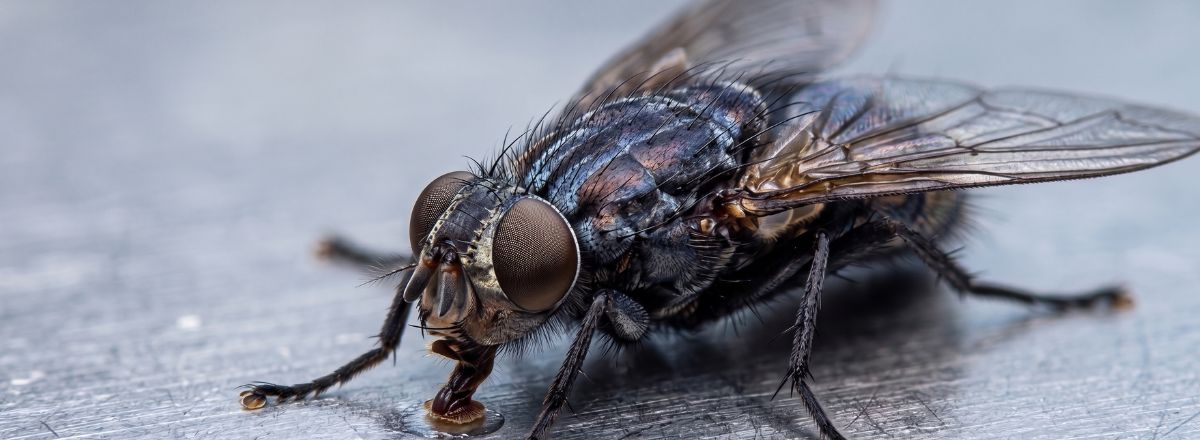
Retail DIY vs Professional Rentokil Fly control
When a fly population gets out of hand, it is important to understand which tools actually solve the root of the problem. While a quick spray from a supermarket can knock down a single fly, it doesn't stop the rest of the swarm from hatching outside. Rentokil’s professional systems are designed to break the breeding cycle permanently.
Fly Swatters and Sticky Papers: Best for a single fly indoor nuisance. The speed of action is instant but manual. There is no long term control because this method does not target breeding sites. It is safe, but highly unsightly for commercial front of house areas.
Aerosol Knockdown Sprays: Best for immediate knockdown of visible flies. The speed of action takes seconds. Long term control is extremely low because it only kills flies directly sprayed. There is an inhalation risk, and these chemical sprays must never be used near exposed food or prep surfaces.
Homemade Baits and Vinegar Traps: Best for fruit flies in home kitchens. The speed of action takes hours to days. Long term control is low because it is purely reactive. Note that white or apple cider vinegar traps only attract fruit flies and do not work on larger house flies or stable flies.
Fly Pest Control Blogs
5 common signs you have a fly problem
Phumeza Mlokoti
01 March 2024
Fly Control for South African Businesses and Farms
For commercial and agricultural enterprises, flies are a critical risk to compliance, operational safety, and brand reputation.
From restaurants in Cape Town to food manufacturing plants in Gauteng, fly infestations can lead to failed health audits, severe financial losses, and brand damage. Rentokil provides compliant solutions that align strictly with South African health and safety standards:
SANS 10049 (HACCP): Ensuring food hygiene and safety management systems are uncompromised.
Act 36 of 1947 (Fertilizers, Farm Feeds, Agricultural Remedies and Stock Remedies Act): Guarantees that all chemical treatments are applied safely and legally by registered, certified pest control operators.
SABS and ISO Standards: Supporting your business to pass strict third party regulatory audits.
Specialised Solutions for Farm Managers and Smallholdings
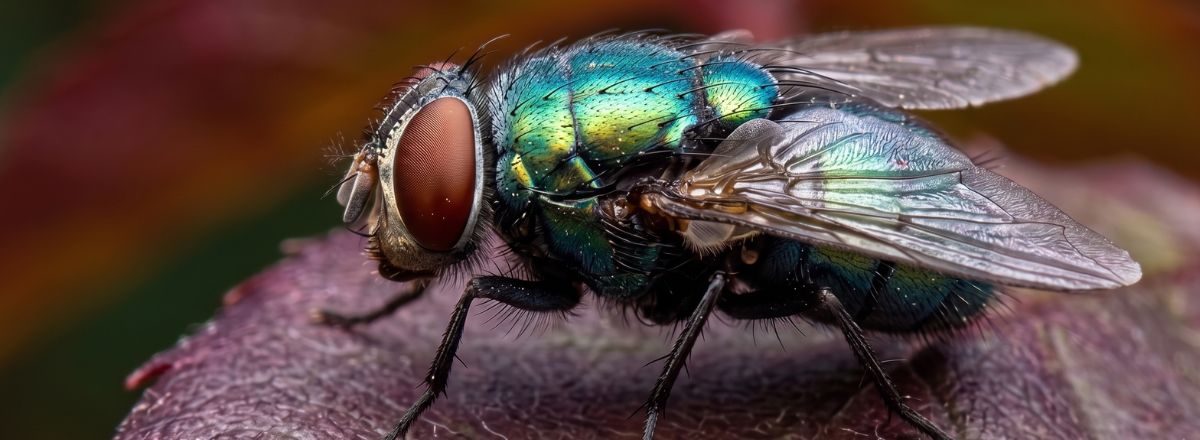
Agricultural properties face unique, high pressure fly challenges. Stable flies (Stomoxys calcitrans) and greenbottles / blowflies (brommers) thrive around livestock, manure heaps, and damp feed, causing immense stress to animals, reducing milk yields, and transmitting livestock illnesses.
Rentokil’s Professional Fly Control and LED Technology
Rentokil does not just patch up fly problems; we use Integrated Pest Management (IPM) to find breeding sites, eliminate larvae, and keep adult flies from entering your premises.
The Rentokil Lumnia range is the global benchmark for commercial indoor fly control. Rather than using traditional high voltage zapping grids that can vaporise flies and scatter microscopic, contaminated body parts into the air, Lumnia uses high efficiency LED lights to attract flies and capture them cleanly on an adhesive glue board or roll.
Rentokil provides Targeted Treatments particularly for severe infestations. Using professional grade residual sprays, baits and ULV fogging treatments all applied safely by our certified trained technicians. We are always on hand to discuss and talk through the treatment plan to determine the most suitable plan for your business.


Fly Control for your Home
Keeping your home hygienic and fly-free shouldn't feel like a losing battle every time someone opens the back door. Flies pick up germs from garbage bins, pet waste, and other unsanitary places and transfer them directly to your kitchen counters and food.
Common Signs of a Fly Infestation in Your Home
A small fly problem can escalate quickly, especially in warmer months. Look for these clear signs:
Seeing a large number of flies: Especially in the kitchen or around bins.
Fly droppings (spots): Small dark clusters of spots on light fittings, walls, and window sills.
Maggots: The larval stage of flies. These are a sure sign of a breeding site nearby, often in waste bins, pet food, or decaying organic matter.
Drain Flies: Small, moth-like flies hovering around sinks, showers, and floor drains.
Lesser House Flies: They are distinct nuisance that hovers erratically in the middle of rooms (especially in coastal areas like KZN and Cape Town)
A small fly problem can escalate quickly, especially in warmer months. Look for these clear signs:
Seeing a large number of flies: Especially in the kitchen or around bins.
Fly droppings (spots): Small dark clusters of spots on light fittings, walls, and window sills.
Maggots: The larval stage of flies. These are a sure sign of a breeding site nearby, often in waste bins, pet food, or decaying organic matter.
Drain Flies: Small, moth-like flies hovering around sinks, showers, and floor drains.
Lesser House Flies: They are distinct nuisance that hovers erratically in the middle of rooms (especially in coastal areas like KZN and Cape Town)
How to Prevent Flies
While professional treatment is essential for an existing infestation, good sanitation is key to prevention.
- Deny Entry: Keep doors and windows closed or fitted with insect screens.
- Cover Food: Never leave food uncovered on counters.
- Manage Waste: Ensure all indoor and outdoor bins have tightly sealed lids and are emptied regularly.
- Clean Spills: Immediately clean up food and liquid spills.
- Maintain Drains: Keep drains clean and clear of organic buildup where flies can breed.
- Pet Hygiene: Clean up pet waste from the garden promptly.
Fly Species in South Africa


Frequently Asked Questions about Flies
-
What Are the Tiny Flies in My Kitchen or Bathroom?
Tiny flies in kitchens or bathrooms are typically fruit flies, drain flies, or gnats. These pests are attracted to organic decay, standing water, and organic buildup in drains. Identifying the specific species is essential, as effective control requires locating and eliminating their specific breeding source.
-
Where Do Fruit Flies Come From?
A fruit fly infestation usually enters homes on overripe produce or through open doors and windows. Attracted to fermenting organic material, female fruit flies lay hundreds of eggs on decaying fruits, vegetables, or damp drain residue, allowing populations to multiply rapidly in warm kitchen environments.
-
Do Horse Flies Bite?
Yes, female horse fly species inflict painful bites using scissor-like mouthparts to cut human or animal skin. Unlike mosquitoes that pierce skin, horse flies slice it to feed on blood. Their bites often cause localized swelling, redness, and discomfort, and can occasionally cause secondary infections.
-
How Do I Get Rid of Drain Flies?
To eliminate drain flies, you must clear the organic sludge inside pipes where they breed. Scrub drains with a stiff brush and flush with an enzyme-based cleaner to dissolve organic buildup. Maintaining clean, dry pipes prevents female flies from laying eggs and breaks their life cycle.
-
Why Are There So Many Flies in My House?
A sudden influx of flies inside your housefly control perimeter indicates an accessible breeding source nearby. Common attractants include uncovered trash bins, pet waste, decaying fruit, or unsealed food. Flies enter through open doors, window screen tears, or wall gaps searching for moisture and food.
-
Do UV Fly Traps Work?
Yes, a UV flytrap is highly effective, particularly when using Rentokil’s innovative Lumnia LED range. Lumnia units emit UV light to attract flying insects and hygienically encapsulate them onto glue boards to prevent food contamination. Their energy-efficient LED technology offers superior catch rates while reducing power consumption.